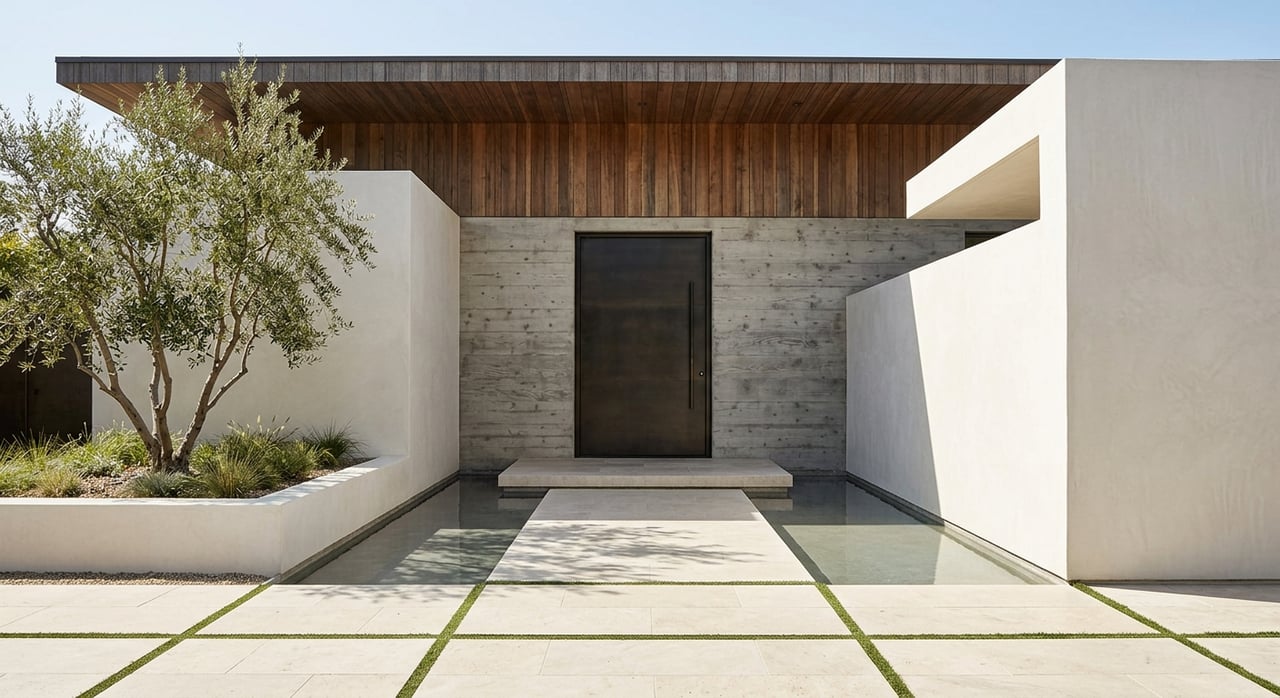
If you own or plan to buy in Beverly Hills, architectural style is not just a visual preference. It can shape how a home is perceived, how smoothly it fits its block, and how strongly it competes when it hits the market. The good news is that style does not work in isolation, and understanding that can help you make smarter decisions. Let’s dive in.
Why style matters in Beverly Hills
In Beverly Hills, architectural style carries real weight because the city treats design as part of long-term value protection. The city’s single-family style guidance says exterior design recommendations are intended to enhance neighborhood character and protect property values. It also makes visible style review part of the permitting process.
That matters whether you are buying, renovating, or preparing to sell. A home that feels architecturally coherent with its setting may have an easier time appealing to buyers, while a visible remodel that feels out of step can face both approval and market resistance.
Beverly Hills has a strong design identity
Beverly Hills is especially known for period-revival architecture. According to the city’s historic survey, residential growth in the 1920s was dominated by revival styles, and Spanish Colonial Revival was the most popular.
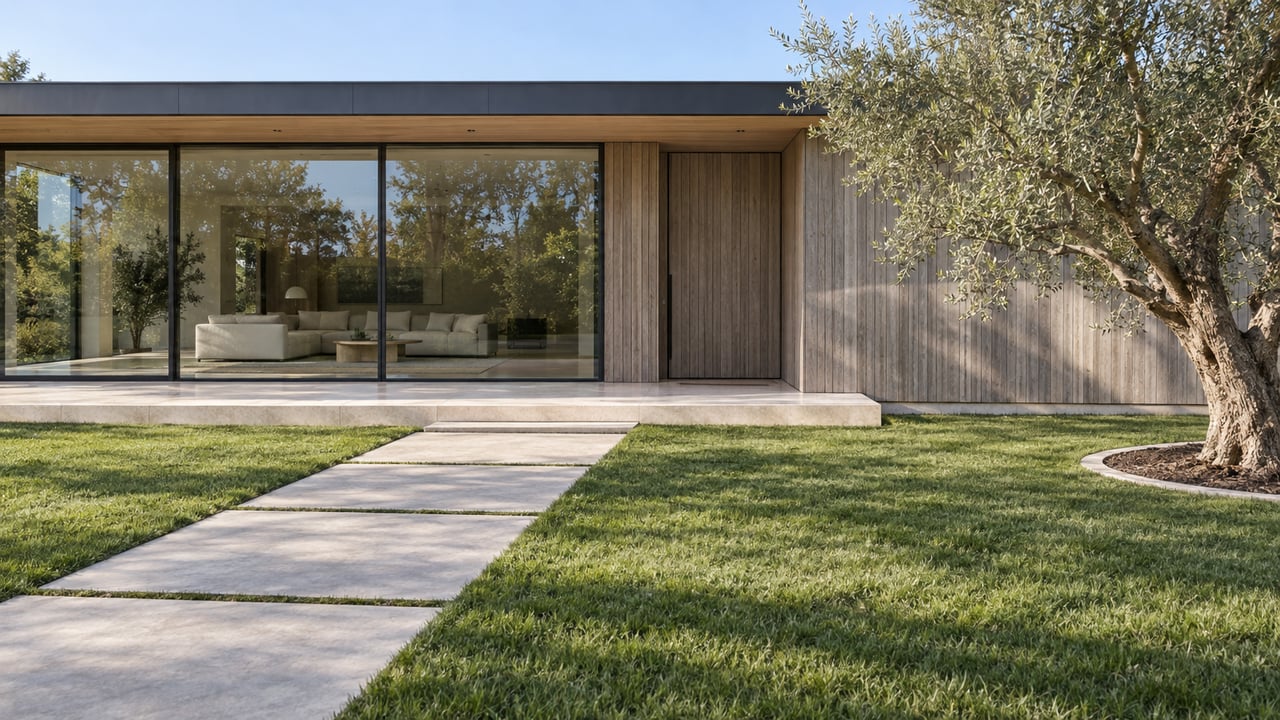
That history still shapes buyer expectations today. In many single-family areas, traditional, Colonial, Spanish, and Mediterranean homes remain part of the area’s core visual language. The city also recognizes Contemporary as a principal residential category and allows other styles when they are architecturally pure.
Style affects value differently by area
One of the biggest mistakes sellers and buyers make is assuming one style carries the same premium across all of Beverly Hills. It does not. Style tends to perform differently depending on the sub-area, the lot, the views, the condition, and the overall presentation.
Spring 2026 market snapshots show how wide the pricing spread already is within Beverly Hills. Citywide median sale price was about $6.1 million, while 90210 was about $5.7 million, 90212 about $3.8 million, and 90211 about $2.4 million. That spread suggests style is a value layer, not a standalone pricing engine.
Flats and central Beverly Hills
In the Flats and central Beverly Hills, classic architecture still reads well with buyers. Based on the city’s design guidance and recent public sales examples, homes in these areas appear to benefit when the exterior keeps the right proportions and curb appeal for the street, while the interior delivers updated finishes and modern flow.
That does not mean buyers only want untouched period homes. It means they often respond well to a house that looks authentic from the street and lives comfortably inside.
What recent sales suggest in the Flats
Public sales examples point to strong pricing for classic styles when the home is large, updated, and well placed. At 615 Trenton Drive, an Elegant Traditional Estate sold for $7.746 million. At 515 North Hillcrest Road, a fully remodeled Mediterranean with contemporary flair sold for $11.04 million.
At smaller price points, the same pattern shows up. A Contemporary Mediterranean at 357 South Almont Drive in 90211 sold for $4.1 million, while a Spanish home with a modern aesthetic at 317 South Oakhurst Drive in 90212 sold for $3.55 million.
The takeaway is straightforward. In central Beverly Hills, buyers often reward recognizable style paired with thoughtful updates rather than a complete break from the neighborhood’s design vocabulary.
Trousdale Estates and the hills
Trousdale Estates and nearby hillside streets play by somewhat different rules. The city’s historic survey notes that postwar Beverly Hills developed a more visible modern identity here, even though revival styles remained dominant in much of the city’s single-family housing.
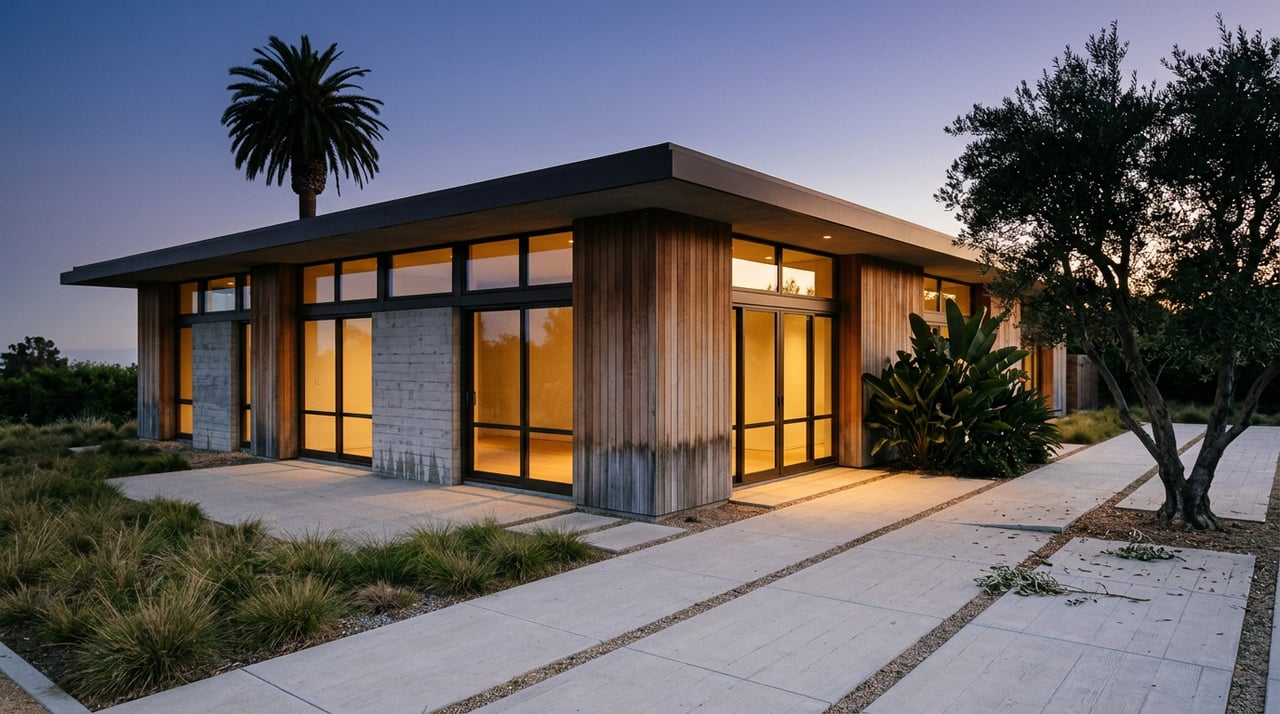
That makes Trousdale one of the clearest settings in Beverly Hills for mid-century, contemporary, and view-oriented architecture. In these areas, buyers often weigh architecture alongside privacy, light, lot utility, and panoramic views.
What recent hillside sales suggest
Recent public sales support that pattern. A mid-century estate with ocean and mountain views at 1575 Carla Ridge sold for $7.425 million. A restored mid-century modern at 1960 Loma Vista Drive sold for $7.55 million.
At a higher tier, a contemporary estate with panoramic city views at 1130 Carolyn Way sold for $16.5 million. These examples suggest that in the hills, design impact and site experience often matter as much as room count.
Trophy properties prove style is not everything
At the top of the Beverly Hills market, style can matter a great deal, but it does not always set a ceiling. Exceptional land, provenance, privacy, and a finished product can outweigh whether a home is labeled Traditional or Contemporary.
A useful example is 1111 Calle Vista Drive, which sold for $47 million and was classified as a Traditional estate. That sale is a reminder that trophy buyers often evaluate the full package, not just the style category.
What style means at different price points
When you look across recent public sales, a practical pattern starts to emerge.
$3 million to $4.5 million
In this range, renovated homes appear to compete heavily on condition, layout, and finishes. The examples at 317 South Oakhurst Drive and 357 South Almont Drive suggest that updated Spanish and Mediterranean-influenced homes can perform well when they feel move-in ready.
$6 million to $8 million
This band shows that more than one style can succeed at similar price levels. Traditional in the Flats and mid-century in the hills both cleared in this range when the lot, setting, and presentation were strong.
$10 million to $17 million
At this level, buyers seem to pay more attention to scale, light, indoor-outdoor flow, and estate-level presentation. Style still matters, but it works alongside how the property lives and how complete the offering feels.
$40 million and above
In the trophy tier, style becomes one factor among several. Site quality, provenance, privacy, and turnkey execution can push a classic property into elite pricing even without an ultra-modern look.
Renovation choices that tend to support value
If you are preparing a Beverly Hills home for sale, the city’s own guidance points toward a conservative conclusion. The design catalogue is intended to sustain and increase property value while allowing remodeling and replacement, and it warns that oversized massing, lower-quality materials, and reduced landscaping can work against neighborhood character.
In practical terms, the safest value-focused updates are often style-consistent ones. That usually means preserving the home’s façade language while improving the way the house lives day to day.
Pre-sale updates buyers tend to respond to
Based on the public sales examples and city guidance, these upgrades often align best with value protection:
- Preserve exterior elements that define the home’s architectural identity
- Update kitchens and baths in a way that feels consistent with the house
- Improve natural light and flow
- Create better indoor-outdoor transitions where appropriate
- Keep landscaping coherent with the home’s era and design language
- Use quality materials that match the level of the property
For traditional, Spanish, and Mediterranean homes, buyers often seem to respond to remodeled interiors, open family spaces, and polished but compatible finishes. For mid-century and contemporary homes, clean lines, glass, privacy, and strong view orientation often appear central to appeal.
Why exterior changes require extra care
In Beverly Hills, visible exterior work is not just a design decision. It can also be a process decision. Because the city reviews visible projects for style conformity, an exterior remodel that drifts too far from the home’s architectural language may create friction before and during a sale.
That is especially important if you are weighing major façade changes right before listing. A remodel that feels inauthentic to the street may not deliver the return you expect, even if the construction budget is substantial.
The smartest way to think about style and value
The clearest way to frame this market is simple: architectural style is a value multiplier, not a value substitute. In the Flats and more central parts of Beverly Hills, buyers often reward turnkey interiors inside a recognizable traditional or Mediterranean shell. In Trousdale and the hills, architecture, privacy, and views tend to carry more weight.
At the highest levels, style still matters, but site quality and overall execution can matter even more. If you are deciding whether to renovate, list, or buy, the real question is not which style is best in the abstract. It is which style fits the location, the lot, and the expectations of that specific buyer pool.
If you want a discreet, data-led read on how your home’s architecture may affect pricing and positioning in Beverly Hills, Derrick Smith can help you evaluate the numbers, the design context, and the right go-to-market strategy.
FAQs
How does architectural style affect Beverly Hills home value?
- Architectural style can influence buyer demand and pricing, but it usually works alongside lot size, micro-location, condition, views, privacy, and overall presentation rather than acting as a standalone premium.
Which home styles are common in Beverly Hills neighborhoods?
- Beverly Hills is especially known for period-revival architecture, including Spanish, Mediterranean, Colonial, and Traditional homes, while Contemporary is also recognized and is more visible in areas like Trousdale Estates and some hillside locations.
Does modern architecture sell better in Beverly Hills?
- Not always. In Trousdale and the hills, modern and mid-century homes often align well with buyer expectations, but in the Flats and central areas, classic styles with well-executed updates can perform just as strongly.
Do Beverly Hills buyers prefer renovated traditional homes?
- Recent public sales suggest many buyers in central Beverly Hills respond well to homes that keep a recognizable traditional, Spanish, or Mediterranean exterior while offering updated kitchens, baths, flow, and indoor-outdoor living.
Should you change a home’s exterior style before selling in Beverly Hills?
- Visible exterior changes should be approached carefully because Beverly Hills reviews street-visible design work for style conformity, and changes that feel out of character with the home or street may create both approval and market friction.
What matters most in Trousdale Estates home values?
- In Trousdale Estates, architecture often matters alongside views, privacy, lot utility, light, and overall estate presentation, which can be just as important as bedroom count.
Can a traditional home still achieve trophy pricing in Beverly Hills?
- Yes. A recent $47 million sale of a Traditional estate shows that exceptional site quality, provenance, privacy, and turnkey execution can support top-tier pricing even without a contemporary design label.