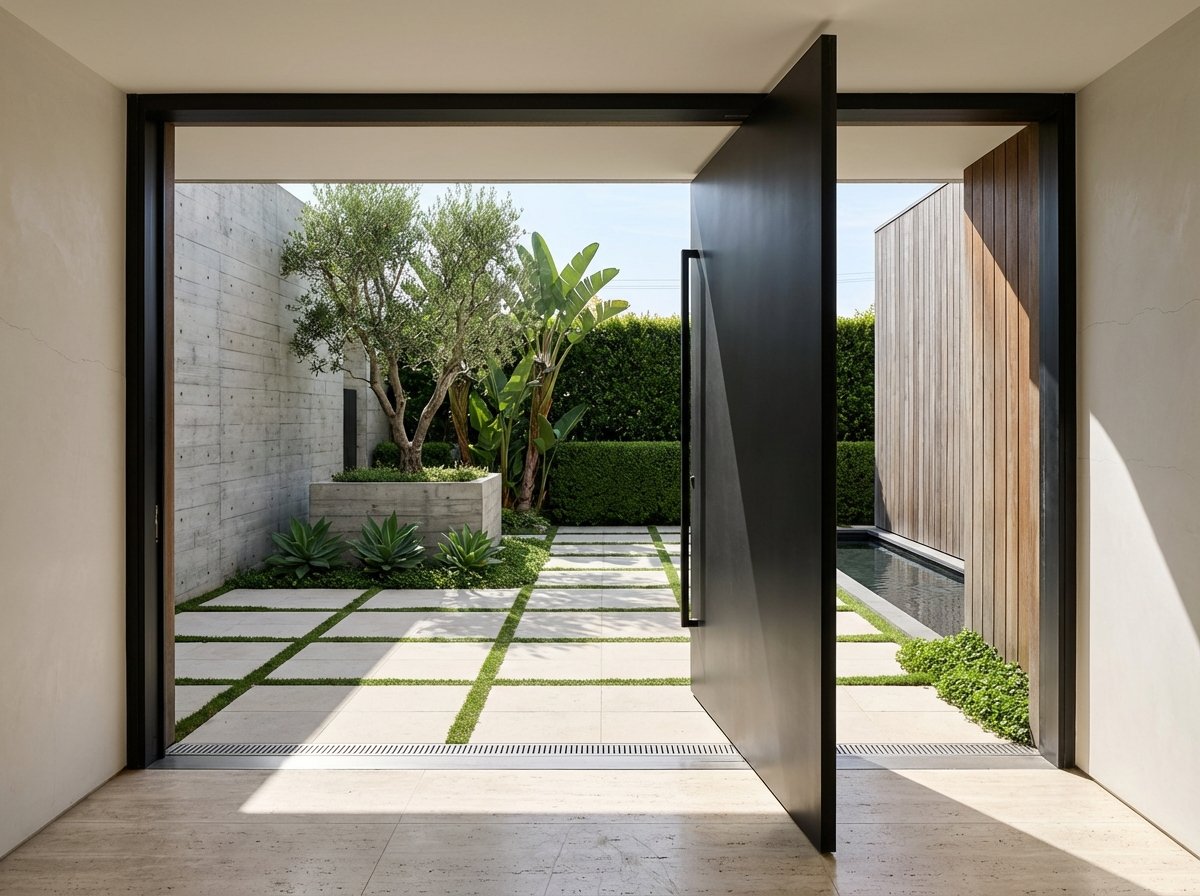
You can sell an estate in Bel Air or Holmby Hills without turning it into a headline. Many of your neighbors do. With the right structure, you can protect your privacy while still reaching serious buyers and securing a market-level result. This guide walks you through the private-sale options available in Los Angeles, the legal guardrails in California, how to vet buyers, and a proven step-by-step plan. Let’s dive in.
Why privacy is a smart strategy
Bel Air and Holmby Hills attract global attention. At the same time, the ultra-luxury pool of qualified buyers remains active. Recent reporting shows the $10 million and above market re-accelerated in 2025, with Greater Los Angeles among the most active $10M+ metros. That is good news for sellers who want discretion without sacrificing price.
You should also expect volatility in neighborhood statistics. A few large sales can shift averages and medians in a small sample. Use neighborhood-level data and estate-specific analysis rather than citywide numbers. For example, Bel Air market snapshots show wide price dispersion, which is typical of trophy estates.
Your discreet sale options
You have several compliant paths to limit exposure while you bring qualified buyers to the table. The National Association of REALTORS allows multiple listing options when you provide signed, informed consent. Local MLS rules set the mechanics and timing.
- Office exclusive. Your listing is filed with the brokerage but not shared to the wider MLS. Marketing is limited to clients within that office or firm, with your written consent. This can be a strong first step if you value control and speed. See the NAR framework for Multiple Listing Options for Sellers.
- Delayed marketing exemption. Your listing is signed and filed, but public marketing and syndication wait for a set period. This gives you time to complete preparation, run a quiet preview window, or test price privately.
- Invitation-only preview or private auction. If you want confidentiality plus competitive tension, consider a structured sealed-bid window or a private auction process. Providers position this for sellers who want price discovery without broad publicity, as seen in Concierge Auctions’ private platform launch.
Your agent must confirm the local MLS implementation, document your consent, and manage the rules precisely. That protects your privacy and your leverage.
Legal must-knows in California
Discreet marketing does not change statutory duties. California law requires delivery of disclosures in most 1–4 unit residential transfers, including off-market deals. The Transfer Disclosure Statement and Natural Hazard Disclosure must be prepared and delivered in the legally prescribed timeframe. Review California Civil Code guidance on seller disclosure delivery requirements.
Timing matters because late delivery can create cancellation rights for the buyer. Coordinate NDA signing with the release of disclosures so you control who sees sensitive details while still meeting the law.
Ownership privacy has limits. Deeds and transfer records are public at the county level. You can title in an entity or trust, but the recorded conveyance will still appear in the public record after close. The Los Angeles County Assessor and Recorder are the ultimate public sources, which means perfect anonymity is not possible. For public-record context, see the Los Angeles County property records portal.
Entity privacy is also shaped by federal rules. Many companies and foreign entities must file beneficial-ownership information with FinCEN under the Corporate Transparency Act. This is separate from public deeds and can apply even when you use an LLC or trust. Confirm your obligations with counsel and review FinCEN’s beneficial ownership reporting overview.
What can stay private
A well-run process can keep sensitive elements confidential until a buyer is vetted, and sometimes through closing. You can keep the street address, owner identity, interior photos, floor plans, staff names, and showing logs private during pre-market or private-market phases. You can also restrict photography and press and watermark all shared materials.
Some facts will still become public. The deed and transfer records will be recorded after close. Over time, the sale price may appear in public summaries or third-party datasets. Contract clauses can limit press releases before and after closing, but they do not override public recording.
How buyer vetting works
Discretion starts with controlled information flow. Best practice is a two-tier package: a short, redacted teaser for initial outreach and a full virtual data room for vetted buyers who have signed an NDA. This is standard in luxury private sales and is described in off-market luxury sale playbooks.
You should require verified proof of funds before releasing the address or interior materials. For UHNW estates, that often means a current bank letter showing liquid capacity, and sometimes direct verification with a private banker or wealth manager. For financed buyers, pre-approval and lender underwriting apply, but many buyers at $10 million and above close in cash. For a practical overview, review this guide on proof-of-funds expectations in off-market searches.
Showings and security
Limit site visits to a small, pre-vetted list. Schedule appointment-only, escorted showings. Log all visitors. Require photographers, stagers, and vendors to sign confidentiality agreements and strip metadata from all images before distribution. These measures align with best practices for private communities and are laid out in this overview on discreet showing protocols and media control.
During showings, keep staff to a minimum and maintain consistent routes through the property. Do not leave loose documents or personal photos on display. Consider RFID or QR-coded key checkouts and unique watermarks on any printed materials.
Price, exposure, and appraisals
Private sales trade broad exposure for control. Fewer eyeballs can mean fewer offers, which can affect price. That is the risk. The opportunity is to reach the right UHNW networks with a curated pitch, then invite structured competition that increases certainty. Private-auction or sealed-bid formats help balance privacy with price discovery, as highlighted in recent private-auction launches for ultra-luxury sellers.
Appraisals can be challenging for unique estates with scarce comparables. Appraisers may widen the search window, consider nearby submarkets, and use cost or income approaches when similar sales are limited. If the buyer needs financing, engage your agent early to surface appraisers with relevant experience and consider a private consult or broker price opinion to align expectations.
You can also improve outcomes by structuring certainty. Larger earnest money, shorter verification windows, limited contingencies, and clear proof of closing capacity all support a strong price. Buyers who value privacy may pay a premium for speed and discretion when the terms are clear and reliable.
A step-by-step plan you can run now
Follow this sequence to protect confidentiality while moving toward a market-level result:
- Build your core team.
- Engage a lead luxury listing agent with private-client experience, a California real estate attorney, a tax advisor, and an escrow and title team experienced with high-value closings. Confirm how entity ownership and BOI rules apply to you by reviewing FinCEN’s guidance with counsel.
- Pick your marketing track and document consent.
- Choose office exclusive, delayed marketing, invitation-only preview, private auction, or immediate MLS. Sign the required authorization outlined in NAR’s Multiple Listing Options policy.
- Prepare redacted materials and guardrails.
- Create a teaser that omits address and owner identity. Set up a secure VDR with high-resolution photos, plans, reports, and statutory disclosures. Finalize a tailored NDA and confidentiality rider for offers.
- Vet buyers before disclosure.
- Require verified proof of funds and identity checks before you release the address or interior materials. Keep an access log for every data room invite.
- Control showings and media.
- Schedule escorted tours, limit staff, and watermark all materials. Strip metadata from imagery and require vendor NDAs.
- Invite competition the right way.
- Set a sealed-bid deadline or structured offer window. Encourage terms that add certainty, such as higher deposits or limited contingencies.
- Close with precision.
- Use an experienced escrow and title team for wire verification and fraud control. Remember that the deed will be recorded publicly in Los Angeles County. Coordinate post-closing press limits in your contract where appropriate.
- Plan the tax piece early.
- Confirm your capital gains and principal residence considerations with your CPA. Discuss options such as installment sales or charitable planning appropriate to your situation.
Timelines you can expect
Cash deals can close in days to a few weeks once the buyer is vetted and documents are ready. Financed purchases typically run 30 to 50 days, depending on the lender and appraisal timing. Private auctions and formal sealed-bid processes often target about 60 days to signed contract and closing, assuming you have the prep work complete at launch.
When a private auction fits
A private auction can be the right choice when you want confidentiality, a defined timeline, and competitive tension. It is effective for unique estates where traditional comps are scarce and you want structured price discovery. As shown by private-auction platforms built for ultra-luxury sellers, the format limits public exposure while still driving competition among qualified buyers.
Work with a boutique advisory
You deserve a quiet, disciplined process that respects your privacy and protects your outcome. Our boutique model pairs founder-led service with data-driven pricing and the reach of an international network. We operate appointment-only, keep your materials secure, and use a curated approach to buyer outreach, including private previews and structured bidding when appropriate.
If you are considering a discreet sale in Bel Air or Holmby Hills, let’s talk through your goals, timing, and the best path for your situation. Connect with Derrick Smith to book an appointment.
FAQs
Do NDAs actually stop leaks in a private Bel Air sale?
- An NDA creates enforceable remedies and deterrence, and you should pair it with operational controls like watermarked, time-limited data rooms and escorted showings to reduce risk.
Can I keep the sale price of my Holmby Hills estate private after closing?
- Not fully. Deeds and transfer details are public at the county level and may appear in public summaries over time, even if you title in an entity.
Are off-market sales guaranteed to sell for less than MLS?
- Not always. There is a tradeoff between exposure and competition, but a curated process or private auction can preserve or improve outcomes if it reaches the right UHNW buyers.
What proof of funds is typical for a $10M+ off-market showing?
- A current bank letter or statement showing liquid capacity, with the seller’s right to confirm with the private banker or wealth manager before releasing sensitive materials.
Do I still have to deliver California disclosures if I sell off-market?
- Yes. Statutory disclosures like the TDS and NHD must be delivered on time even in a private or office-exclusive sale, or the buyer may gain cancellation rights.
Will an LLC or trust keep my name off public records in Los Angeles?
- Using an entity can reduce visibility, but the recorded conveyance is still public and federal beneficial-ownership rules may require disclosure to regulators or financial institutions.